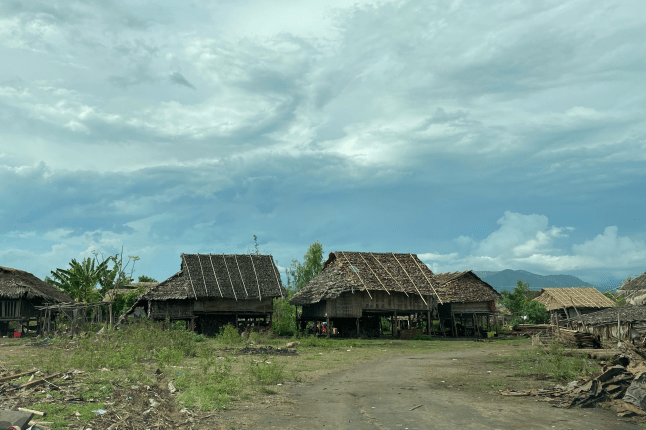
Sharing important analytical and conceptual ideas for enhancing the wellbeing of marginalised people is essential. While ideas from the Global North that are replicated in the Global South without due attention to context are failure-bound, ideas from the Global North can inspire people in the Global South and thus stimulate progress.
In international development, a one-size-fits-all way of thinking and doing is a recipe for disaster. Of course, principles matter. But success requires seeing things as they are (1) and finding context-appropriate solutions to problems – not imposing practice from the Global North onto the Global South.
Nevertheless, it is possible for ideas from the Global North to be adapted and utilised in the Global South in ways that can be helpful. In this article, I discuss two examples from recent research projects: the systems of provision (SoP) approach and the concept of anchor institutions.
Systems of Provision
The SoP approach, pioneered by Fine and Leopold in the 1990s (2), seeks to understand the complex drivers of consumption. In analysing who gets what, how and why, the approach focuses attention on those excluded from consumption. Indeed, the approach is centred on the notion that consumption outcomes depend on the systems that produce and distribute goods and services, which in turn vary across time and place.
From its origins in the Global North, the SoP approach has been applied across the Global South. Some of this work has had a very specific geographical focus, e.g. in the food sector, the SoP approach has been used to examine raspberries in Chile (3) and cinnamon in Vietnam (4). In other cases, e.g. Brooks’ study of denim jeans (5), the SoP approach has been used across multiple geographical locations.
More recently, the SoP approach has been used in the Global South through the Inclusive Urban Infrastructure project, which explores how urban infrastructure is provided in Africa and Asia, and how marginalised people can benefit from it. The use of this approach has shed light on different aspects of urban infrastructure in low-income communities in the Global South.
One insight is that household access to a particular form of infrastructure can be much more nuanced than a simple ‘yes’ or ‘no’, as it may depend on factors such as social relations (e.g. support from neighbours can vary), the time of year (e.g. the differences between dry and rainy seasons) or the state of other infrastructure grids (e.g. energy impacts on communications, transport and water). Another insight is that community groups’ relationships with local and national government actors can help or hinder their access to infrastructure (due to the power of government actors), and these relationships tend to be more difficult in capital cities compared with secondary cities. A final insight is that access to infrastructure can be heavily affected by economic pressures, such as dependence on commodity exports and neoliberal economic policy conditionality on the part of international financial institutions.

The humanitarian anchor
With its roots in 1960s US cities, the concept of anchor institutions was crystallised by the Aspen Institute at the turn of the century (6). The Anchor Institutions Task Force defines an anchor institution ‘… as an enduring organization remaining [in] its geographic area and playing a vital role in its local community and economy’ (7). Today, anchor institutions have become an important part of urban regeneration policy and practice in the US, and the idea has spread to other parts of the Global North.
More recently, the concept of anchor institutions has been adapted for use in the Global South through the Protracted Displacement Economies project. The humanitarian anchor, as it is known in this context, was conceived by Zaman in an Overseas Development Institute working paper in 2018 (8). The humanitarian anchor seeks to develop worker-owned cooperatives – preferably those that involve members of both displaced and ‘host’ communities – through the support and procurement practices of international non-governmental organisations and official donors.
It is worth noting that elements of the humanitarian anchor already exist in the international development sector. Almost a decade ago, for example, I highlighted the benefits of school feeding programmes that build the capacities of local smallholder farmers in the Global South and procure food from them (rather than from producers in the Global North) (9).
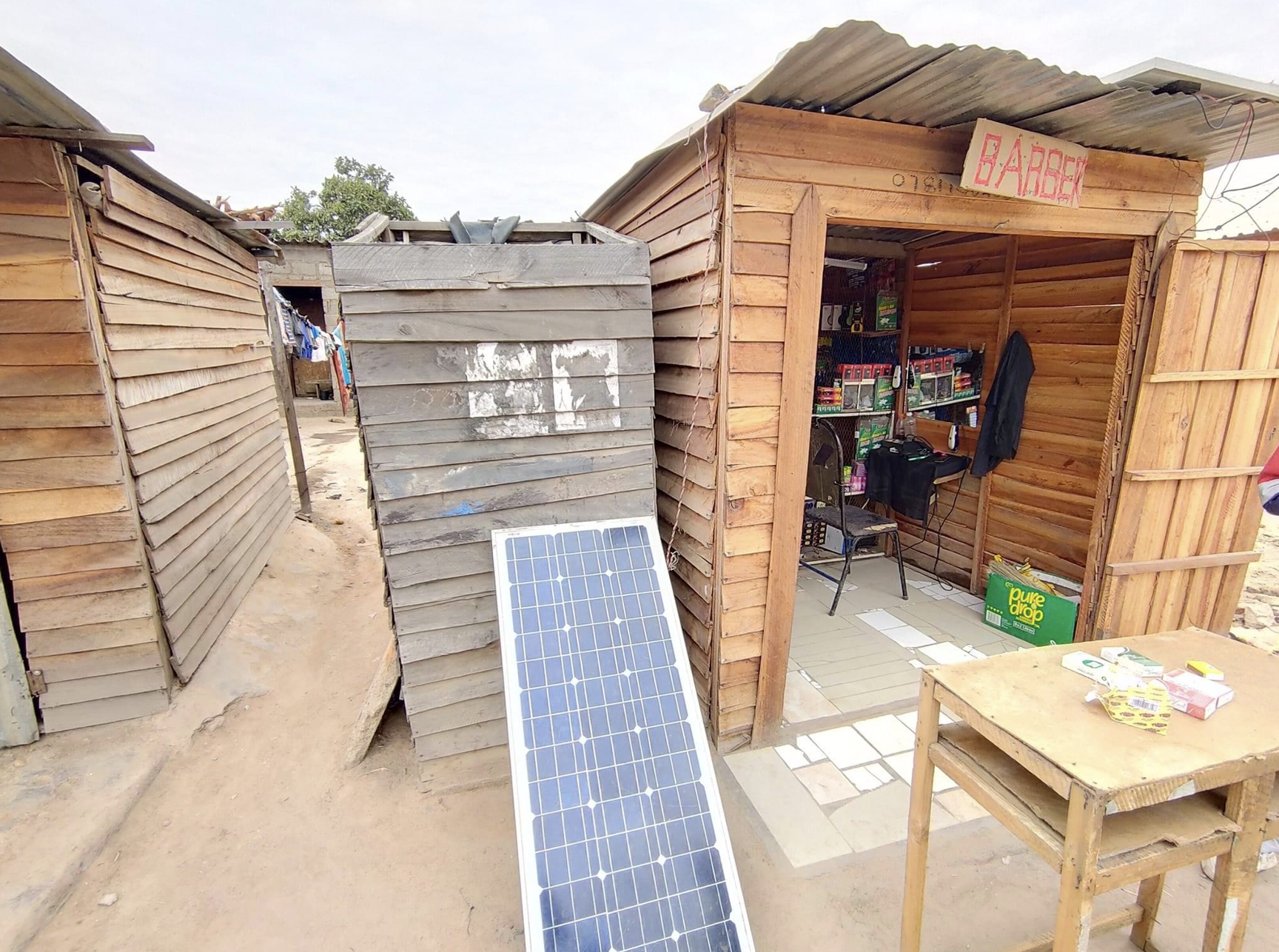
At the same time, the humanitarian anchor has evolved in at least two notable ways. First, it recognises the importance of local finance (10), as well as international assistance, for the development of productive local enterprises that can achieve scale. Second, it acknowledges the critical role played by formal and informal community-based care and mutual aid organisations in areas affected by displacement (11), and promotes the need for worker-owned cooperatives to act in complementary ways to them.
While the SoP approach and the humanitarian anchor concept are undoubtedly powerful, they are not without their limitations. The implications of the SoP approach for policy, in terms of the need to realise human rights and respect planetary boundaries, are not always clear. Moreover, from an international perspective, the humanitarian anchor concept is largely rooted in foreign aid, and silent on more important issues of global economic justice.
The COVID-19 pandemic demonstrated (yet again) that the Global North has much to learn from the Global South – and the legacies of colonialism continue to profoundly taint our planet. Even so, the Global South can benefit from certain ideas that emanate from the Global North, as long as these ideas are activated with context, nuance and local ownership.
Sunit Bagree
References
- Levy, B., “Working with the Grain: Integrating Governance and Growth in Development Strategies”, 2014.
- Fine, B. and Leopold, E., “The World of Consumption”, 1993.
- Challies, E. R. T. and Murray, W. E., “The interaction of global value chains and rural livelihoods: The case of smallholder raspberry growers in Chile”, Journal of Agrarian Change, 2011.
- Derks, A. et al., “Bastard spice or champagne of cinnamon? Conflicting value creations along cinnamon commodity chains in Northern Vietnam”, Development and Change, 2020.
- Brooks, A., “Clothing Poverty: The Hidden World of Fast Fashion and Second-Hand Clothes”, 2019.
- Fulbright-Anderson, K. et al., “Community involvement in partnerships with educational institutions, medical centers, and utility companies”, 2001.
- Anchor Institutions Task Force, “AITF leadership guide”, 2022.
- Zaman, T., “The ‘humanitarian anchor’: A social economy approach to assistance in protracted displacement situations”, 2018.
- Bagree, S., “Home grown school feeding: Time for donors to deepen engagement”, 2014.
- Bateman, M., “Local finance for sustainable local enterprise development: The role of international development assistance in identifying and promoting best practice in a post-neoliberal world”, 2017.
- Fechter, A-M. and Schwittay, A., “Citizen aid: Grassroots interventions in development and humanitarianism”, Third World Quarterly, 2019.
Leave a Reply